






Frequently
Asked
questions
We’re here to help. Below find answers to some of our most common questions. If you still have questions feel free to drop us a line. Remember all of our plans come with dedicated platform support.
What is cryptographic NFC authentication?
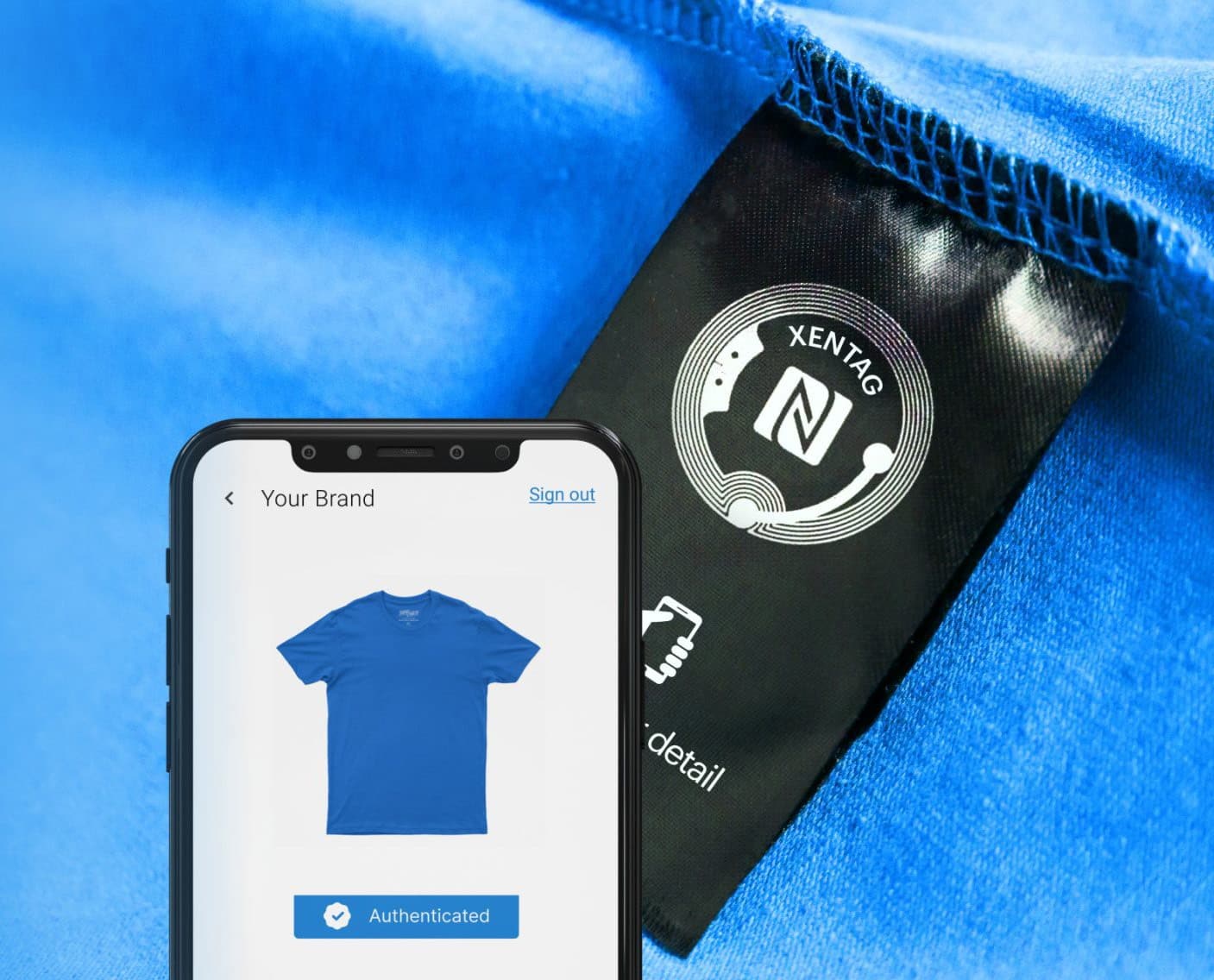
Cryptographic NFC authentication uses secure chips embedded in product packaging to create unforgeable digital identities. Each chip performs a challenge-response protocol using cryptographic keys that cannot be cloned, transferred, or replayed—providing item-level proof that a physical product is genuine, not counterfeit or diverted.
What products can be authenticated with XenTag?
XenTag provides authentication for high-value products vulnerable to counterfeiting, diversion, or return fraud:
Pharmaceuticals: Prescription medications, specialty drugs, biologics, controlled substances
Wine & Spirits: Premium wines, rare spirits, collectible bottles
Luxury Goods: Handbags, watches, footwear, apparel, accessories
Cosmetics: Premium beauty products, skincare, fragrance
Any physical product with packaging that requires verification at distribution, retail, returns, or resale can be authenticated with XenTag smart labels.
What types of devices can read the NFC chips?
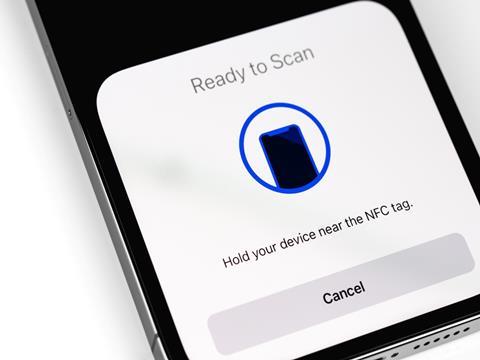
Any NFC-enabled smartphone can authenticate XenTag labels with a simple tap—no app download required. This includes:
iPhone (iPhone 7 and newer with iOS 11+)
Android devices with NFC (2+ billion devices globally)
Authentication works natively through the phone’s built-in NFC reader, verifying in under 3 seconds.
How does XenTag differ from QR codes or serialization?
QR Codes: Can be photographed, copied, and printed on counterfeit products. QR codes provide information, but cannot prove authenticity.
Serialization (DSCSA): Tracks where products moved through supply chains, but cannot verify that the physical item being scanned is genuine. Serial numbers can be copied or transferred to counterfeits.
XenTag Cryptographic NFC: Each chip performs unforgeable cryptographic operations that only genuine products can complete. Counterfeits cannot clone the secure silicon or replay previous authentications because each verification requires a unique challenge-response.
Result: XenTag proves the physical item is genuine, not just that a valid number exists in a database.
Can XenTag prevent return fraud?
XenTag enables brands to detect return fraud at intake—before refund authorization—by verifying that returned products are genuine and have not been previously returned.
Return fraud types detected:
Counterfeit swaps: Customer returns a fake product instead of the genuine item purchased
Product swapping: Different product returned in original packaging
Duplicate returns: Same product returned multiple times through different channels
Grey market returns: Diverted products from unauthorized channels returned for refund
When products authenticate at return intake, the system flags anomalies (previous return events, grey market authentication history, tamper detection) before refund workflows execute.
Industry impact: Return fraud accounts for 9% of all retail returns ($76.5B annually, NRF 2025). Authentication at intake can reduce fraudulent returns by 80-90%.
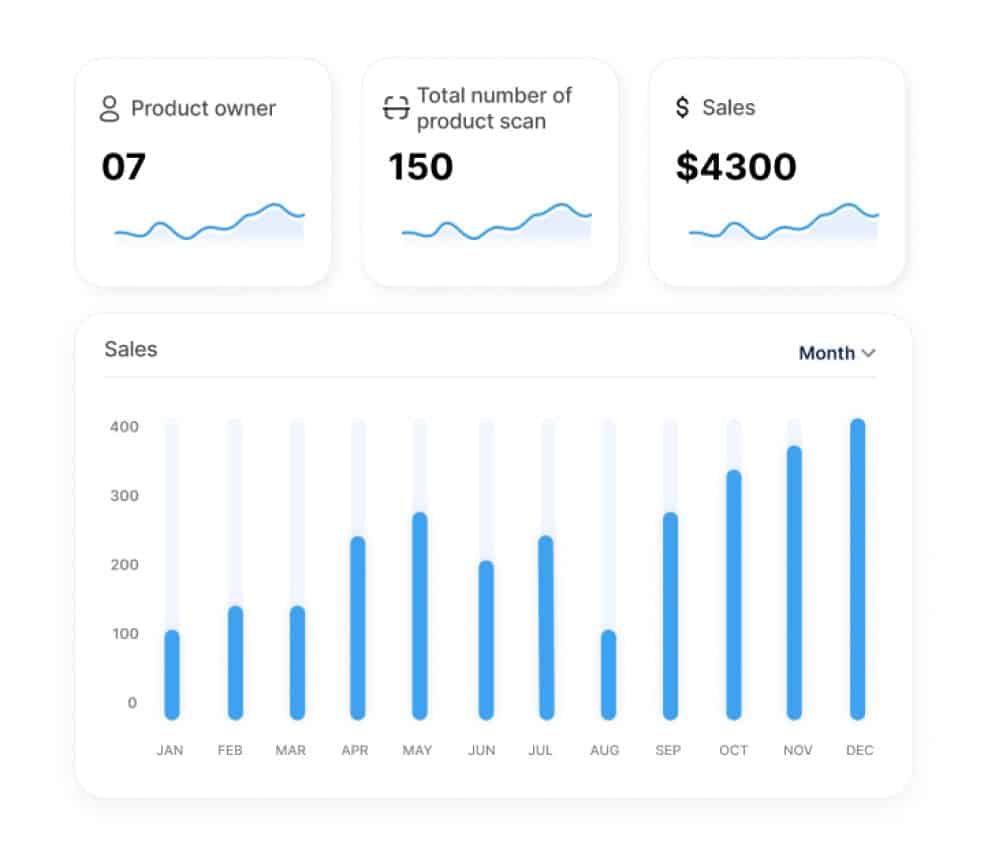
What kind of analytics or KPIs does XenTag provide?
XenTag offers real-time metrics around interaction with your product and engagement with your brand.
How much do NFC chips cost?
NFC chips are priced based on several factors, including functionality, quantity, security level, associated services like blockchain, and/or customer engagement features.
What is the XenTag initiating process?
Although fairly simple, we will set you up for success by assisting you throughout the entire onboarding process. We’ll help you enable and encode your products, support the building of your digital experiences, and help you develop your launch. Finally, we’ll train your team to become subject matter experts on the XenTag platform.