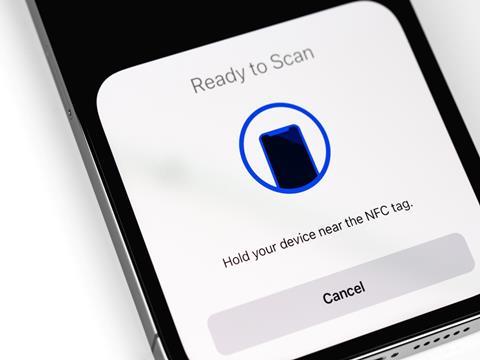
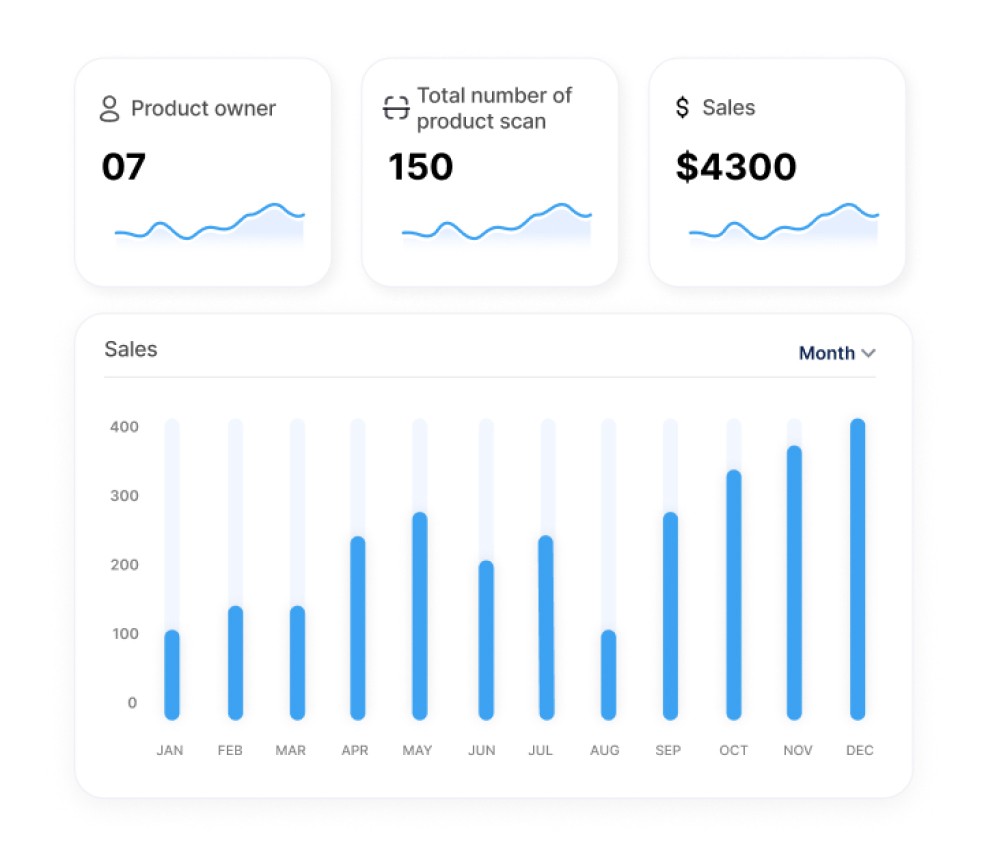
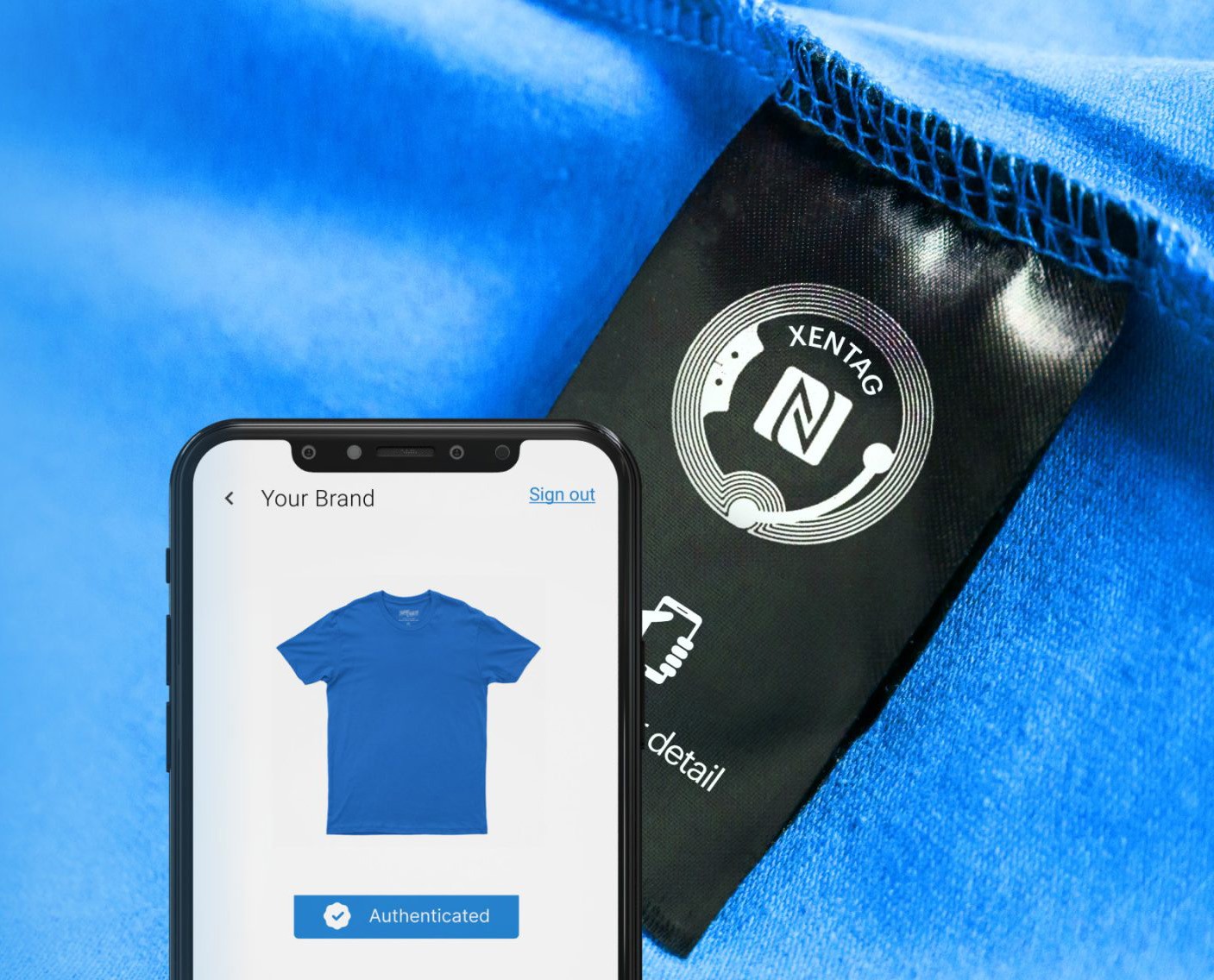
Hand holding smartphone tapping NFC-enabled smart packaging to trigger instant payment and product authentication

Smart Packaging Revolution: Products as Revenue Channels

The internet was built for information exchange. Payments were bolted on later.

For decades, commerce has required layers: logins, subscriptions, coupons, checkout pages, loyalty databases, and payment gateways. Friction has been normalized, and that is about to change with smart packaging.

With the emergence of x402, the long-dormant HTTP 402 “Payment Required” status code is being transformed into a machine-native payment protocol. Payment becomes part of the internet’s core request-response cycle. A resource can request payment, receive settlement, and grant access—all within a single, automated flow.

This shift does more than simplify checkout. It fundamentally changes how consumers interact with products. When smart packaging with secure NFC tags enables cryptographic product authentication, and x402 enables native payments, products stop being static goods.

They become economic actors.

From Smart Labels to Economic Endpoints

Smart labels powered by product authentication technology create a new foundation for commerce. XenTag embeds a secure, unclonable identity into each product using anti-counterfeiting solutions built on cryptographic hardware. When you first interact, the system automatically creates a custodial Algorand wallet for you. Every purchased product is registered in that wallet.

This creates a new primitive. Each physical product is now:

→ Cryptographically unique
→ Wallet-aware
→ Blockchain-linked
→ Event-trigger capable

When you combine smart packaging with x402-enabled payment flows, something powerful happens: every product becomes capable of initiating, receiving, and settling micropayments securely and transparently.

Six Ways Smart Packaging Transforms Commerce

1. Loyalty Becomes Programmable and Instant

Traditional loyalty systems operate as siloed databases. Points live in backend systems. Redemption requires manual checkout steps. Fraud and reconciliation are constant challenges.

With smart labels:

  • Loyalty tokens are issued as Algorand Standard Assets
  • Credited directly to the consumer’s custodial wallet
  • Verifiable, auditable, global, and programmable

With x402:

  • Redemption happens inside the HTTP interaction
  • The product or website returns a 402 Payment Required response
  • The wallet pays using loyalty tokens
  • Access or a discount is granted instantly

No coupon codes, no waiting for backend validation, no reconciliation cycles.

Loyalty transforms from a marketing abstraction into a micro-currency native to the product ecosystem.

2. Discounts Become Atomic and Trustless

Imagine a consumer tapping a smart packaging product and accessing a refill page. The server responds: “Redeem 100 loyalty tokens for a $10 discount?”

The consumer’s wallet executes the transaction. The discount applies instantly. The blockchain records the settlement.

Because the payment is on-chain:
→ It cannot be duplicated
→ It cannot be forged
→ It cannot be retroactively altered

Discounting becomes atomic and trustless—settled in seconds.

3. Supply Chain Security Through Real-Time Product Intelligence

Product traceability solutions built on smart labels generate authenticated product lifecycle data:

→ Activation date
→ Usage intervals
→ Batch identity
→ Geographic movement (if opted-in)

Manufacturers gain real-time visibility into:

→ True product activation rates
→ Consumption patterns
→ Regional demand signals
→ Inventory velocity

This moves forecasting from probabilistic to event-driven. Supply chain security improves because products themselves become live data nodes feeding directly into supply chain systems.

The result:

  • Lower overproduction
  • Reduced stockouts
  • Smarter distribution
  • More accurate demand planning

Traditional inventory management relies on estimates and historical trends. Smart packaging generates authenticated event data at every consumer interaction, capturing activation timing, consumption location, and replacement frequency. This shifts forecasting from probabilistic models to real-time visibility.

Manufacturers can identify unexpected demand patterns, adjust distribution proactively, and prevent stockouts before they happen. The product traceability solutions move from “what we shipped” to “what consumers actually activated and used.”

4. Automatic Reordering Through Agentic Commerce

x402 was designed for autonomous, agent-driven transactions.

When a product is nearing depletion:

  1. The consumer taps the smart label
  2. Or an AI assistant detects usage cadence
  3. The reorder endpoint responds with a 402 payment requirement
  4. The wallet settles the payment instantly
  5. Fulfillment is triggered automatically

No cart, no subscription management, no manual checkout. The smart packaging itself becomes the reorder interface. For consumables, this eliminates friction while preserving consumer control. For manufacturers, it reduces churn and increases lifetime value.

5. The Product as a Direct Revenue Channel

Historically, sales channels have been external to the product: retail stores, ecommerce platforms, marketplaces.

With smart labels + x402, the product becomes:
→ A loyalty issuer
→ A discount engine
→ A reorder trigger
→ A micropayment processor
→ A direct fulfillment initiator

In effect, every unit sold becomes a persistent, blockchain-linked sales terminal in the hands of the consumer.

This collapses the boundary between:

  • Marketing
  • Commerce
  • Fulfillment
  • Loyalty
  • Payments

They converge into a single programmable interaction layer enabled by anti-counterfeiting solutions that verify product authenticity at every transaction.

6. Secure Micropayments at Scale

Micropayments historically failed because card fees were too high, settlement was too slow, and infrastructure was too fragmented.

Algorand provides:
→ Low transaction costs
→ Deterministic finality
→ Native asset support

x402 provides:
→ Standardized payment negotiation at the HTTP level
→ Machine-readable payment requests
→ Seamless API integration

XenTag’s smart packaging provides:
→ Wallet auto-provisioning
→ Verified product authentication
→ Consumer ownership mapping

Together, they make it economically viable for products to handle payments measured in cents—or fractions of cents—in real time.

A New Era of Product Design: Smart Packaging as Infrastructure

We are entering a period where product design is no longer limited to materials, packaging aesthetics, and functional performance.

Instead, products will be designed with embedded economic logic.

A smart packaging product is not just an object. It is:
→ A programmable node
→ A wallet-linked asset
→ A loyalty engine
→ A data source
→ A fulfillment trigger
→ A micropayment endpoint

When combined with x402, the consumer interaction model changes from “scan and view” to “tap and transact.”

The product becomes a living interface between manufacturer and consumer—secure, transparent, and autonomous.

The Strategic Implication for Brand Protection Solutions

For brands, this means:

→ Direct-to-consumer economics without platform dependency
→ Real-time loyalty issuance and redemption
→ Closed-loop inventory intelligence through product traceability solutions
→ Frictionless automatic reordering
→ Cryptographically secure micropayments

For consumers, this means:

→ Immediate rewards
→ Seamless discounts
→ Effortless reordering
→ Transparent ownership
→ Secure, low-friction transactions

The companies that embrace this shift will not simply digitize products. They will redesign products as economic participants in a programmable commerce network.

Anti-counterfeiting packaging evolves from passive protection to active commerce infrastructure. Supply chain security becomes real-time and product-driven. Brand protection solutions transform from defensive measures into revenue enablers.

Explore XenTag’s Smart Packaging Solutions

XenTag provides product authentication, anti-counterfeiting solutions, and smart labels that transform products into programmable commerce endpoints. Our secure NFC tags enable cryptographic verification, wallet integration, and x402-native micropayments.

Learn more about how smart packaging can create new revenue channels for your products: xentag.com/solutions/platform

2025 pharma seizures timeline with FDA $3.5M Ozempic fakes, Health Canada alerts

Why 2025 Was the Turning Point for Pharma Authentication (Ozempic Cases)

Why 2025 marked the turning point for pharma authentication is clear from Ozempic cases:
→ 16,740 counterfeit weight-loss injections seized at a single U.S. port
→ Thousands more are infiltrating pharmacies through authorized channels
→ Health Canada seizing $378,000 in fake GLP-1 drugs in one operation

The story pharmaceutical supply chain executives can no longer ignore: counterfeit Ozempic and GLP-1 drugs reached crisis levels in 2025, and traditional serialization systems failed to stop them.

Two forces converged. First, the explosive demand for GLP-1 drugs created a lucrative target for counterfeiters operating at industrial scale. Second, the Drug Supply Chain Security Act (DSCSA) unit-level tracing deadline exposed critical gaps in QR-based serialization that counterfeiters exploit daily.

For quality assurance and supply chain leaders, 2025 marks the year pharma authentication shifted from regulatory compliance to business survival.

The 2025 Surge: When Counterfeits Reached the Authorized Supply Chain

Counterfeit pharmaceuticals typically infiltrate through unauthorized channels: rogue online pharmacies, social media marketplaces, and suspicious distributors. In 2025, counterfeit Ozempic broke that pattern. Fakes reached legitimate U.S. pharmacies through authorized supply chains.

FDA Seizures Inside the Authorized Supply Chain

The FDA seized hundreds of counterfeit Ozempic units on April 9, 2025, labeled with lot number PAR0362 and serial numbers starting with 51746517. Novo Nordisk confirmed PAR0362 was an authentic lot number, but the serial numbers were fabricated. The counterfeits were distributed outside authorized channels, yet appeared legitimate enough to reach pharmacy shelves. The FDA and Novo Nordisk are still testing seized products to determine their composition.

This followed an even larger December 2023 seizure of thousands of units with lot NAR0074 and serial number 430834149057. Testing revealed counterfeit components, including fake needles, raising infection risk concerns. By December 2025, the FDA seized additional batches with lot number PAR1229, identifiable only by the placement of “EXP/LOT” text on pen labels—a detail most pharmacists wouldn’t notice during routine receiving.

The Scale at the Border

U.S. Customs and Border Protection conducted a week-long operation at the Port of Cincinnati that revealed the industrial scale of the problem. Officers seized 16,740 counterfeit weight-loss injections, including Ozempic, semaglutide, retatrutide, and tirzepatide, with an estimated street value of $3.5 million. The shipments originated from Hong Kong, China, Colombia, and South Korea, destined for 40 states.

Internationally, Interpol’s Operation Pangea XVII resulted in the largest pharmaceutical seizures in the operation’s 17-year history. Health Canada alone inspected 19,193 packages during the five-month operation from December 2024 to May 2025, seizing 539 packages containing suspected counterfeit or unauthorized health products worth $378,170.

The pattern is clear: counterfeiters operate at scale, use sophisticated packaging that mimics authentic products, and exploit serialization systems designed for compliance, not authentication.

Regulatory Reckoning: When DSCSA Compliance Met Authentication Reality

November 27, 2025, marked the final DSCSA compliance deadline for dispensers. After years of delays and exemptions, pharmaceutical supply chains must now exchange serialized transaction data electronically at the unit level. Every package carries unique identifiers: National Drug Code (NDC), serial number, lot number, and expiration date. Every transaction creates an electronic record.

On paper, this creates an unbroken chain of custody from manufacturer to pharmacy. In practice, DSCSA solved traceability, not authentication.

The Gap Between Tracking and Verification

DSCSA mandates three interoperable capabilities: electronic exchange of transaction information, verification of product identifiers, and tracing at the package level. The system tracks where products move. It doesn’t verify whether products are genuine.

Arkansas demonstrated the gap in February 2025. An inspector used the National Association of Boards of Pharmacy’s Pulse verification technology to identify a counterfeit Ozempic unit. The discovery led to the immediate suspension of the distributor’s license. But the counterfeit had valid serialization data—it passed initial supply chain checks because serialization alone can’t distinguish authentic products from sophisticated fakes.

Florida-based wholesaler Sterling Distributors received an FDA warning for DSCSA violations, including the sale of counterfeit Ozempic pens to pharmacies in Arkansas and Mississippi in late 2024. The distributor operated within the serialization system but failed to identify illegitimate products.

The Counterfeit Exploit

DSCSA assumes serial numbers represent authentic products. Counterfeiters discovered they could copy serial numbers from genuine products, print them on counterfeit packaging, and generate transaction data that appeared legitimate. The system traces the counterfeit through the supply chain while flagging nothing suspicious.

QR codes compound the vulnerability. Open-format barcodes can be photographed, copied, and reprinted. There’s no cryptographic verification. A pharmacy scanning a counterfeit product with a copied serial number sees the same data as scanning an authentic product.

Industry surveys estimate serialization error rates of 2-3% under normal conditions, higher during high-volume periods. That margin means thousands of units flagged for investigation annually. Overwhelmed quality teams often clear suspect products after visual inspection, which can not detect sophisticated counterfeits.

Technology Shortcomings: Why Visual Inspection Can’t Scale

Pharmaceutical counterfeiting evolved from crude imitations to industrial-precision replication. Modern counterfeits match authentic packaging in color, font, hologram placement, and barcode formatting. Detection requires expert examination under controlled conditions—impossible at receiving docks processing thousands of units daily.

QR codes and printed serial numbers operate on the same vulnerability: they’re visual features anyone can photograph and reproduce. The authentication process relies on matching what’s printed (visible data) against what’s recorded (database entry). If counterfeiters obtain genuine serial numbers through infiltration, data breaches, or simply photographing pharmacy inventory, they can create counterfeits that authenticate successfully.

The Investigation Capacity Problem

A 2-3% error rate across millions of pharmaceutical units generates massive false-positive volumes. Investigation capacity can’t keep pace. Quality teams develop “clearance protocols” to process flagged units faster, often defaulting to visual inspection and releasing products that look authentic.

Counterfeiters exploit this predictable response. They invest in packaging quality, knowing visual inspection represents the final authentication checkpoint. High-quality fakes pass through because overwhelmed inspectors can’t detect differences invisible to the naked eye.

The technology gap isn’t about better printing or more sophisticated holograms. It’s fundamental: visual features can be replicated. Authentication systems that rely on visual verification will always fail against well-funded counterfeiting operations.

Next-Generation Authentication: Cryptographic Certainty Over Visual Inspection

Pharmaceutical authentication requires a different technological foundation—one based on mathematical impossibility rather than visual complexity. Cryptographic NFC authentication uses encrypted keys stored in a certified secure silicon (the same standard as payment cards). The chip proves it knows a secret key without revealing it through challenge-response protocols. Counterfeiters cannot extract keys from certified chips, clone the cryptographic response, or create tags that authenticate successfully. Verification requires only an NFC-enabled smartphone—a pharmacist taps the phone to the product and receives a binary result. Unlike QR codes, which can be photographed and reproduced, the security resides in chip hardware, not printed features.

Advanced implementations combine three layers: tamper-evident antennas that break when packages open, flagging subsequent scans; cryptographic authentication that counterfeiters cannot replicate; and blockchain certificates issued at manufacture that cannot be forged retroactively. This addresses both counterfeiting and the $127 billion annual return fraud problem. The combination operates on mathematical certainty rather than visual inspection or investigator judgment, making counterfeiting unfeasible, not merely difficult.

The Path Forward

The 2025 Ozempic cases proved that DSCSA compliance alone won’t stop sophisticated counterfeiting. Visual inspection can’t scale. QR-based serialization can be copied. Pharmaceutical companies face escalating risks: product liability, regulatory enforcement, patient harm litigation, brand damage, and lost customer trust. The FDA’s post-2025 enforcement means companies that distribute counterfeits face significant legal consequences.

For specialty pharmaceuticals and high-value products where counterfeiting economics are most favorable, cryptographic authentication represents risk management, not just regulatory compliance.

Explore Authentication Solutions

XenTag provides cryptographic NFC authentication for pharmaceutical products. The platform uses EAL4+ certified secure chips, tamper-evident antenna designs, and blockchain certificate verification to create item-level authentication that counterfeiters can’t replicate.

For pharmaceutical manufacturers evaluating authentication options beyond DSCSA serialization, XenTag offers pilot programs to test cryptographic authentication on high-value product lines.

Learn more about pharmaceutical authentication technology and pilot frameworks: www.xentag.com

The 2025 Ozempic cases proved serialization isn’t enough. Cryptographic authentication provides the security layer that DSCSA was never designed to deliver.

XenTag Sets New Industry Standard for Pharmaceutical Security with Unclonable Smart Labels

TORONTO, March 3, 2025  – In the face of rising global concerns over counterfeit pharmaceuticals, XenTag has introduced a groundbreaking security solution that is setting a new benchmark in pharmaceutical authentication.

The “Authenticated by XenTag” seal represents more than just a label—it is a guarantee of trust, backed by advanced encryption and blockchain technology that makes counterfeiting virtually impossible.

A Critical Leap Forward in Pharma Security

The pharmaceutical industry faces increasing threats from counterfeit drugs that put patients at risk and erode trust in legitimate manufacturers. XenTag directly addresses these concerns with its patented dual-encryption NFC tags, ensuring that every protected product is genuine, tamper-proof, and uniquely identifiable.

“The stakes are too high when it comes to pharmaceutical security,” said Vishal Singh, CEO at XenTag. “With XenTag, we’re not just securing products—we’re securing lives. Our technology ensures that every medication bearing our seal is authentic and safe for consumers.”

Blockchain-Powered Transparency & Traceability

XenTag’s authentication system integrates seamlessly with blockchain technology, creating a permanent and verifiable digital record for every product. Pharmaceutical companies can trace key data, including:

  • Batch and lot numbers
  • Production date and location
  • Genesis data and supply chain movement

By storing this information on the Algorand blockchain, XenTag provides a tamper-proof link between physical products and their digital authentication records, setting a new gold standard for compliance and transparency in the industry.

Eliminating Counterfeit Risk for Life-Saving Medications

For pharmaceutical companies, the risk of counterfeiting extends beyond financial losses—it has life-threatening implications for patients. XenTag’s technology eliminates this risk by ensuring that every product carrying its seal is backed by indisputable proof of authenticity.

“Counterfeit drugs are a $200 billion global problem,” said Puneet Randhawa, Head of R&D. “XenTag’s innovation is a game-changer for the pharmaceutical industry, offering a secure, scalable, and highly reliable way to protect consumers and manufacturers alike.”

Availability and Implementation

XenTag is actively partnering with pharmaceutical companies to implement this next-generation authentication technology across supply chains. Companies interested in integrating XenTag into their security framework can contact us at [email protected] or visit https://xentag.com/ for more details.

About XenTag
XenTag is a leader in next-generation smart labeling technology, offering unclonable, tamper-proof authentication solutions for the pharmaceutical industry. By combining advanced encryption with blockchain transparency, XenTag provides manufacturers with an unmatched security solution to combat counterfeiting and protect consumer safety.

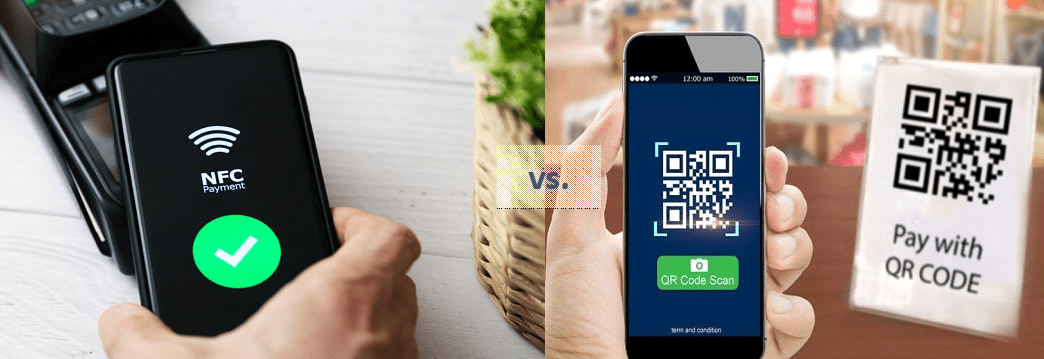
Secure NFCs or QR Codes – Which Better Protects Your Products’ Authenticity?

When it comes to your products’ authenticity, security, and tracking needs, you may find yourself asking whether or not QR codes or NFC tags might help. 

While both are effective technologies for businesses to use, they each have their own unique characteristics that should be taken into consideration before you invest in the technology.


QR Codes

Quick Response (QR) codes are a type of machine-readable barcode designed to relay information, such as URLs, to a device. They are typically square and contain an array of black and white squares or dots that form a pattern unique to the item to which they’re attached.  

QR codes are different from conventional barcodes in that they store information both horizontally and vertically. This enables them to hold over one hundred times more information than traditional barcodes; one of the main reasons they’ve gained in popularity.

How They Work

When scanned, the device reads the pattern and sends it to a database where the information associated with that particular code is stored. From there, the device pulls up the associated information and displays it to the user.


NFC Tags

NFC stands for Near Field Communication. This is also a contactless communication technology that enables two devices to exchange data when in close proximity. The encoded tags use radio frequency waves to transmit data, and require no physical contact between the transmitting and receiving devices.

How It Works

When two NFC-enabled devices are placed in close proximity, the receiving device wirelessly collects data from the transmitting device, even if it is not currently in active use. The receiver then reacts to the transmitted data, either displaying information or initiating actions based on what was exchanged.


Comparing the Two

While both QR codes and NFC tags offer advantages when it comes to gathering and sharing information, there are some key differences to note between the two.

QR codes are extremely easy to duplicate, store, forward and copy. On the other hand information encoded in the NFC tag needs a NFC reader to access the information. 

For most NFC tags, information access and retrieval is comparable to QR codes. However, secure NFC tags as used and developed by XenTag are impossible to clone, duplicate and share. This makes secure NFC tags very useful for tagging non-fungible assets.


Which Technology is Better for Your Products?

QR codes are best used for basic product information. If you want to protect your brand, deter counterfeits, ensure authentication, track the provenance of your products and provide a host of engagement features to your users, then secure NFC tags are the optimal solution. 

Secure NFCs make each of your products uniquely identifiable (or ‘non-fungible’). This feature allows products to be owned, registered and exchanged, as each one is tracked or differentiated uniquely. 

Cost

Both QR codes and NFC tags have varying costs associated with them that may impact your purchasing decision. QR codes typically involve a one-time setup cost; depending on the size of your project, you may need to purchase a QR code generator. 

On the other hand, NFC tags require an initial investment to purchase the tags, but once acquired they often have a longer lifespan (from 50 to 200 years) and can be reused multiple times.

Accessibility

QR codes are more accessible than NFC tags, as they can be read with any device that has a camera and a QR scanner. NFC tags, however, require an NFC-enabled device to read them. 

This may limit their accessibility in certain situations where users may not have access to an NFC-enabled device. However, most current smartphones come with a standard NFC reader, as both Google Pay and Apple Pay both use this technology

Production

QR codes can be printed on any surface and in a variety of sizes and colours, while NFC tags require specialized printing equipment to produce. Additionally, the cost of NFC tags can add up quickly if you require a large quantity.

Security

NFC tags are more secure than QR codes as they can be secured with a password or encryption, providing additional layers of protection from unauthorized access.

QR codes are not secure and can be copied, stored and re-transmitted. Secure NFC tags are almost impossible to hack as they use an onboard cipher chip and use AES and/or public key cryptography


Ease of Use

Both QR codes and NFC tags have their advantages and disadvantages, depending on what you are looking to achieve. Evaluating factors such as cost, accessibility, production, security, and ease of use can help you decide which technology is right for your needs.  

Know Your Sources: How XenTag can eradicate food fraud

From mislabelling GMO produce as organic to lacing infant milk with melamine, easily one of the most reprehensible displays of greed over safety is tampering and fraud within the food and beverage industries.

Unlike other household goods and products, issues in the food and drink market can have deadly consequences. In this post, we’ll look at the targets of this underground industry, its victims, as well as some of the perpetrators most profiting from this illicit underground market.

We’ll then explore how XenTag can help rebuild brands in the face of food scandals by developing community trust. That’s because XenTag helps you know where your products are and where they’ve been, offering immutable data and a clear chain of command.


The human consequences of counterfeit goods

When it comes to fraud and wilfully counterfeiting products in the food and drink industries, fake packaging is as common as adulterated ingredients. Tragically, there are often mortal consequences to this illicit practice. In 2008, the Chinese milk scandal would claim the lives of six infants and endanger more than 300,000 nursing babies.

This criminal disaster involved the infant formula of Sanlu Group, which had augmented its formula components with melamine. According to reports, melamine was added “to increase the nitrogen content of diluted milk, giving it the appearance of higher protein content in order to pass quality control testing. Of an estimated 294,000 victims, six babies died from kidney stones and other kidney damage, and an estimated 54,000 were hospitalized.”

After the initial focus on Sanlu, a leading producer of infant formula in China, additional government inspections revealed that products from 21 other companies had also been tainted.

This raised alarms about food safety and political corruption in China, resulting in a number of criminal trials conducted by the Chinese government. In the wake of the 2008 Chinese Milk Scandal, the criminal trials resulted in the firing or forced resignation of government officials, three sentences of life imprisonment and two executions.

Yet that same year, in late 2008 in China and around the world, “similar adulteration with melamine was discovered in eggs,” and other food, the Wikipedia entry reads. “The source was traced to melamine being added to animal feed, despite a ban imposed in June 2007 following the scandal over pet food ingredients exported to the United States.”

In the end, those 22 companies found to have been selling tainted products “set up a fund to compensate families for deaths and illness. But the amounts were small for families whose children needed a lifetime of care,” Quartz documented.


The current state of global food safety

The reality is that food safety is an ever-changing, complex realm with a variety of very real threats.

It’s not just in China that milk faces safety issues. In a retrospective article evaluating the decade since the Chinese Milk Scandal broke, Quartz business journal noted that no nation is immune. “Earlier this year, a French milk-powder producer recalled 7,000 tons of infant formula after babies fell ill consuming products from the firm contaminated with salmonella.”

Packworld, which comments on global trade, notes that lead has been found inside the spice turmeric, harmful industrial dyes for colour have been found in spices, palm oil, dog food and more.

In addition to the added adulterations are the undeclared substances. “When such substances are allergens—such as with peanut or soy proteins—the safety issues are obvious,” they note.

Often, peanut products are added to cumin in an effort to increase its volume, which then lead to cumin recalls, as was the case in 2014.

To date, the risk of a food safety incident remains high while public trust remains low, in China and beyond.

Huang Yanzhong, a senior fellow for global health at the Council for Foreign Relations in New York  reported on the general perception in China of a “moral decline,” a time when “people try to make money by whatever means it takes.”

“It’s very hard to have a strong sense of optimism,” stated Yanzhong.


2022 and beyond: Know your sources

It’s smart to be prepared and stay informed. Global governments and commerce alike are all undergoing a digital transformation. Joint efforts across industries will continue making strides in vanquishing dangerous frauds in the food and beverage industries.

Consumers are likewise expected to make a considerable impact. Packworld foresees “packaging makers” can expect their food customers to “request specific steps or information” to combat food fraud. Fortunately, technology today makes it possible to protect the supply chain intelligently.


How XenTag helps stop dangerous counterfeits

Each player in the supply chain is expected to take protective measures against further fraud. Everything—from the authenticity of life-saving drugs to ethical farming, to assuring the inherent nutritional value of organic food—can and should be assured.

Yet it has never been so easy for criminals to use fake packaging and labelling, or tamper with food elements.

Quality and safety matter. That’s why XenTag makes food production and safe handling primary goals. XenTag is an embedded RFID/NFC tag that can determine whether a product has been damaged, broken or mishandled.

This tamper-proof tag tracks and evaluates your valuable merchandise, pharmaceuticals, cosmetics, art or other valuables, allowing your clients to securely evaluate the authenticity, origin, history and proof-of-custody of products throughout the entire supply chain.

Here are just a few of the next-gen protections afforded by XenTag:

  • Organic Food assurance anti-tamper: Tamper-proof XenTags can protect organic produce and assure the consumer peace of mind and original product assurance.
  • Reinforced 3-layer security: The XenTag hardware and all product data is protected by 3 layers of security. Far more secure than QR or barcodes, the data produced by the tag cannot be replicated.
  • Protecting individual pallets: XenTag can track all consignments at pallet level as they move through critical checkpoints in the supply chain.
  • Authenticity of product assurance: Allows your consumers to check the authenticity of your products in an effortless, frictionless way.
  • Know Your Customer (KYC) feature: XenTag offers a feature to filter customer feedback, eliminating anonymous customers and bogus bots.
  • Universally Unique Identifiers (UUID) protection: Data is protected by random, number-generated codes that change with every login, and stored on a public blockchain.
  • Advanced tag encryption: Every tag is encrypted with machine-generated AES-128 cipher Advanced Encryption, then combined with the random generator on the tag to ensure the tag is unique. Non-cloneable, cannot be repurposed, and information stays encrypted.

We help prevent counterfeiting and build community trust through immutable data. XenTag is the next evolution of supply chain and brand protection.

Let ZenduiT help guide your company through its digital transformation. Contact our consultants today for a free demonstration and see if XenTag is right for you.

How StockX, eBay and Other Retailers are Using NFC Tags to Instill Buyers’ Confidence

A few years ago, online retail giant eBay announced its plans to roll out a new authentication program for sneakers sold on its platform. The project came on the tails of luxury shoe purveyors SneakerCon and GOAT, both of which have had legitimacy verification practices in place since as far back as 2015. 

While requiring some extra investment, these initiatives have proven essential for online retailers who rely on brand credibility to stay afloat. Thorough inspections and high tech tools seem to be the only way to get figurative – and literal – buy-in from scam-weary customers.

 In this article, we’ll explore this reality in depth by discussing NFC tags and how companies like eBay are using them as an insurance policy against fraud. We’ll also cover the ROI that tech-enabled strategies like these can deliver to the businesses that employ them.


What Is NFC?

NFC, short for Near-Field Communication, is a technology designed to facilitate wireless information transfer. It uses radio waves that allow for short-range connection (usually a few centimetres) between two devices. NFC is a relatively inexpensive technology and has many applications, including contactless payment, ticket redemption and access cards.


How NFC Tags Work

NFC connections are enabled by NFC tags – small, passive chips embedded into electronic devices. These tags are attached to antennas that allow them to communicate with each other. When an NFC-enabled device comes in contact with an NFC tag, it can read the chip’s data. This data can range from basic information like the serial number of a product, to more extensive details such as brand, size and colour.


NFC Tags in Action

NFC tags have a lot of potential beyond contactless payment. One important application is authenticity verification; NFC technology uses a combination of unique IDs, cross-checking and short access range, to provide an extra layer of protection against counterfeit goods.

 Below, we’ll highlight some prominent examples of retailers using NFC tags to ensure the validity of their products; in this case, luxury footwear.

  eBay

eBay is the latest major company of its kind to hop on the NFC train, having partnered with industry leader Sneaker Con to create a shoe authenticity program in 2020. The online retailer invested millions into a new state-of-the-art facility that has been using processes of rigorous inspection to verify that every sneaker sold over $100 in the U.S. is the genuine article.

 To guarantee the validity of its sneaker sales, eBay has independent authenticators review everything from the shoes themselves – including stitch marks, glue and colouring – to the boxes and accessories they come with. Upon passing this multi-point inspection, products are given an ‘eBay tag’ as a guarantee of their legitimacy. These tags are, of course, NFC -enabled and can be scanned by customers to confirm the product’s authenticity.

SneakerCon

SneakerCon, another prominent online sneaker platform, has been using NFC tags since 2018. Each sneaker sold by the company is equipped with a tag that contains a unique serial number, allowing customers to verify the item’s authenticity. Once the tag is scanned, an app will pull up information on the shoe’s model name, size, condition, SKU number and any other details necessary to prove its legitimacy. Once a shoe is confirmed as legitimate, customers will be shown a screen that reads “Legit. Sneaker Con Authenticated.”


The ROI of NFC

While it’s pretty obvious that NFC verification comes with an extra price tag (no pun intended), the general consensus among retailers is that the cost is justified. eBay in particular has greatly benefited from its program. Customers are often hesitant to trust the quality of products purchased online. This new verification system virtually eliminates the risk of buyers getting scammed and has opened the door for eBay to capitalize on $500+ range sales.


Tying it Up

NFC tags are the perfect solution for retailers looking to create an extra layer of security around their products and ensure their authenticity. By providing customers with an easy way to verify the validity of their purchases, companies can increase consumer trust in their brand and open the door to a new level of sales. Ultimately, NFC tags represent a small up-front investment that retailers can benefit from for many years to come.


Counterfeit Wine – How big is the problem and how can we solve it?

Wine counterfeiting is about as old as wine making itself. The fact that an estimated 20% to 25% of wine sold worldwide is fraudulent in some way is a sobering issue that plagues the entire industry.

Rare and collectible wines have always been a prime counterfeiting target, with crooks diluting or substituting fine wines with less expensive vintages. Now, the problem now extends to mid and lower-tier wines, with even $10 to $15 bottles falling victim to counterfeiting.

Criminals have realized that it’s much easier and far more profitable to produce mass quantities of fake lower-cost vintages than to attempt creating a perfect Château Lafite Rothschild dupe. A globalized supply chain and increase in market demand only fuels the opportunity to make a quick buck nearly undetected.

In one instance, UK consumers were sold bottles of fake Yellow Tail that contained an odd-tasting substance. Back in 2011, hundreds of bottles of fraudulent Jacob’s Creek wine made it into the UK market. In both instances, fraud was only detected by consumers who drank the wine and noticed the difference. The counterfeit Jacob’s Creek bottles that were imported into the UK originated in China, rather than Australia.

Around 15% of wine sold under the Côtes du Rhône appellation from 2013 to 2016 was faked through high-level counterfeiting activity. This translates roughly to 13 Olympic swimming pools filled with inferior wine.

French police recently busted a gang who used basic printing equipment to pass lower-cost Spanish wine off as Bordeaux. Those fraudsters made hundreds of thousands of bottles of fake wine before they were caught and had respected supermarkets and other international purchasers as customers. Another notorious fraud saw millions of bottles of Spanish wine passed off as French rosé.

The growing Asian wine market is one of the biggest global targets for counterfeiting and other crimes, with rampant fraud found from entry-level to high-end products. Hong Kong has even turned into what one expert has described as a “fake wine dumping ground”. In the most severe cases, so-called wine sold in stores doesn’t even contain grapes.

Fraud, counterfeiting, and forgery are pervasive throughout the entire wine sector. It’s a $9 billion-a-year problem that can’t be solved with the traditional bottle-by-bottle manual authentication approach. The industry needs a way to mass-protect bottles at source and enable efficient verification along distribution channels.

Smart packaging technologies enabled with NFC tags offers an optimal way to do this.


NFC Tags

Near Field Communication (NFC) is an encrypted communication technology that works between two devices in close proximity to each other. One device has a passive smart chip – or NFC tag – that stores and sends information. Another device has an NFC reader that activates the chip and receives its information.

NFC tags can be placed on smart cards, electronic devices, product packaging and physical objects. Smartphones can read them via third-party apps or built-in capabilities. XenTag, for example, can program read NFC tags without a third-party app.

Smart keycards, contactless card payments, virtual wallets, and ticketing systems all run on this technology.


Authenticating Wine with NFC Tags

NFC tags is a versatile, accessible, and convenient communication technology that already has widespread consumer adoption. Tags can be attached directly to objects or built into product packaging. Plus, these smart labels can store rich information and be integrated with software solutions, like inventory management and tracking programs.

This makes them perfect for branding, counterfeit-proofing, and authenticating wine bottles, pallets, and other forms of inventory.

  • Wine producers can equip their packaging with inventory verification information, along with brand-focused content, such as varietal education or links to other assets.
  • Distributors, wholesalers, and retailers can scan codes to instantly validate incoming inventory and provide supply chain updates.
  •  Consumers can scan codes to confirm they’re getting the real deal, see enhanced product information, and cross over into new brand-owned experiences.

NFC tags enable counterfeit-proofing mass inventory quantities, instant and interactive verification, real-time supply chain and distribution updates, and enhanced branding opportunities. Industry stakeholders can shore up confidence, maintain brand integrity, and keep consumers safe.

It’s a fresh and modern way to solve an ancient problem.

The Cost of Counterfeit Luxury: How XenTag can help you spot a fake

“Counterfeiting will become the crime of the 21st century.”

– James Moody, former Chief, FBI Organized Crime Division


The first counterfeiting of luxury goods dates as far back as 27 BCE. A wine merchant hailing from Gaul managed to counterfeit trademarks on a wine amphora (a Roman or a Greek jug or a jar used for holding wine), thereby passing off a local inferior wine as expensive Roman spirits.

The world may have changed and evolved since then, but the counterfeit market is still very much a thriving business.

According to a report by the Harvard Business Review, the counterfeited goods market amounts to approximately $4.5 trillion. Of that number, fake luxury goods account for 60-70%.

With the current available data, the counterfeit goods market has grown in parallel with ecommerce platforms such Amazon, eBay and Alibaba; this is not a coincidence.

Approximately 40% of the sales of luxury fake goods occur online, due in part to the anonymous nature of ecommerce, and in part to the inability of authorities to police the web.

The growth of these ecommerce sites has facilitated the exponential growth of counterfeited luxury goods. What’s more, consumers often purchase these items knowingly. Despite the effort to curb this global pandemic, luxury brands seem to be losing the fight.


The cost of counterfeit luxury goods

Given the staggering number of luxury fakes on the market, one might assume that the only people who stand to suffer are the marketing teams that these luxury brands employ. However, the displacement of legitimate economic activity is far greater.

When it comes to luxury brands, products must be original and in short supply to be successful. The constant production of counterfeit items leads to lost sales revenue, damaged brand reputation and the loss of exclusivity.

Moreover, counterfeits are not made with any specific safety standards in place, which puts consumers at risk. For example, fake perfumes can cause skin irritations and counterfeit bags may contain chemicals that could cause the wearer to have an adverse reaction.

The sale of counterfeit luxury goods puts jobs at risk, which in turn has a negative impact on the global economy. From tax evasion to intellectual property rights, the effects of fake luxury goods are pervasive and long-lasting:

  • Many counterfeiters use the proceeds from fake luxury goods to fund organized crime
  • Counterfeiting contributes to job losses due to manufacturers being unable to match low prices
  • The manufacturers of luxury brands are deprived of profits due to the underground counterfeit market

The most counterfeited luxury brands are Chanel, Louis Vuitton, Prada, Fendi, Gucci and Dior (according to the 2018 Global Brand Counterfeiting report). They are cheap to produce and can be sold anywhere for quick profit with almost no consequences or seizures.

Manufacturers of luxury goods have teams of lawyers and anti-counterfeiting task forces aimed at finding and persecuting the perpetrators of fake luxury brands. But what if there was a tool that could be used throughout the entire supply chain process to filter out fake items?


Introducing XenTag

XenTag is a small, pre-programmed RFID/NFC tag that is inserted or embedded into products. The tag helps track and evaluate goods at every step of the supply chain and allows customers to check the authenticity of the product using the tag.


How does XenTag Work?

In the first stage, XenTag is embedded into your products. The tag tracks and monitors your products until they reach a storefront, or your customer’s doorstep.

Your customers can download the XenTag app, available for either Android or iOS, and use it to authenticate their product instantly.


How secure is XenTag?

All product data is protected by three layers of security. The tag hardware and the information it stores is far more secure than QR codes or barcodes and cannot be replicated.

The volume of fake products being sold as genuine has surged exponentially. Despite the adage that if a deal sounds too good to be true it probably is, people are buying fake luxury goods in droves. Protect your brand and your business with XenTag. Contact your ZenduiT consultant today for a free demonstration.


Pharmaceutical Product Authentication: Stopping Counterfeit Drugs

In March 2026, a Maryland wholesaler was charged with diverting 28,000 bottles of HIV medications purchased on the street, relabeling them with forged certificates, and reselling them to legitimate pharmacies. One patient received the wrong medication and lost consciousness within 24 hours. That’s why product authentication is so important in pharma.

This case represents a fundamental failure in pharmaceutical supply chain security: visual inspection and serial number verification could not distinguish diverted drugs from legitimate products. The bottles looked authentic. The serial numbers existed in databases. The forged certificates passed inspection.

What was missing? Item-level product authentication that proves, cryptographically, that the specific physical product being dispensed is genuine, not diverted, and authorized for that distribution channel.

This article explores why counterfeit and diverted pharmaceuticals continue to infiltrate legitimate supply chains, why traditional anti-counterfeiting solutions fail to stop them, and how cryptographic product authentication provides unforgeable verification at every supply chain touchpoint.

The Scale of Pharmaceutical Counterfeiting: 200,000+ Deaths Annually

The World Health Organization estimates that counterfeit and substandard pharmaceuticals cause approximately 200,000 deaths annually, with the majority occurring in developing nations where regulatory oversight is limited.

However, pharmaceutical diversion and counterfeiting are not confined to international markets. Recent cases in the United States demonstrate sophisticated infiltration of the legitimate supply chain:

$92 million HIV drug diversion (2026): 28,000 bottles of HIV medications were diverted from street purchases, relabeled with forged documentation, and sold to pharmacies across multiple states.

Counterfeit GLP-1 epidemic (2025-2026): Europol Operation SHIELD VI seized €33 million ($38.6 million) in counterfeit medicines, with fake semaglutide and tirzepatide representing the fastest-growing category. Maryland poison control centers reported a 1,500% increase in adverse events from compounded and counterfeit GLP-1 medications.

Fake Mounjaro KwikPens (UK, 2026): Sophisticated counterfeits containing tirzepatide but manufactured under unknown conditions—raising sterility and contamination concerns—were dispensed by a private clinic. The fakes were detected only after mechanical failures (detaching dose knobs) prompted investigation.

Counterfeit Ozempic (2025): FDA and international authorities continue to seize counterfeit semaglutide products entering both legitimate pharmacies and grey market distribution channels.

These cases share a common pattern: visual inspection, serial number verification, and documentation review failed to detect counterfeits or diverted products until patient harm occurred.

Why Traditional Pharmaceutical Supply Chain Security Fails

The pharmaceutical industry operates under some of the most stringent regulatory requirements globally, including the Drug Supply Chain Security Act (DSCSA) in the United States and the Falsified Medicines Directive (FMD) in the European Union. Despite these frameworks, counterfeit and diverted drugs continue to enter distribution.

Serialization Tracks Movement, Not Authenticity

DSCSA requires pharmaceutical manufacturers to serialize products and track their movement through the supply chain. This creates an auditable record of custody—where products moved and when—but it cannot verify that the physical product authentication is genuine.

Serial numbers can be:

  • Copied from legitimate products onto counterfeits
  • Transferred when drugs are repackaged (as in the HIV diversion case)
  • Registered in databases for products that never reached legitimate distribution

Serialization answers “where did this serial number go?” but cannot answer “is the physical item I’m holding genuine?”

Visual Inspection Cannot Scale or Verify

Pharmaceutical packaging has become increasingly sophisticated, with holograms, tamper-evident seals, and special inks designed to prevent counterfeiting. However, sophisticated counterfeiters replicate these features with near-perfect accuracy.

More critically, visual inspection requires human verification at scale. In high-volume pharmaceutical distribution centers processing thousands of SKUs daily, relying on visual authentication is operationally unfeasible and produces inconsistent results.

Return Fraud Exploits Authentication Gaps

The rise of pharmaceutical return fraud—where customers return diverted, expired, or counterfeit products for refund or replacement—represents a growing vulnerability. When products return through reverse logistics, verification typically consists of:

  • Visual packaging inspection (can be replicated)
  • Serial number lookup (can be transferred)
  • Expiration date check (can be relabeled)

Without item-level authentication at return intake, counterfeit and diverted products re-enter inventory, continuing the cycle of infiltration.

Grey Market Diversion Remains Invisible

Grey market diversion—where authentic products are purchased in one market and resold in unauthorized channels—undermines pricing strategies, violates distribution agreements, and creates compliance risks. Traditional supply chain security cannot distinguish between authorized and diverted authentic products because both are legitimate manufacturing outputs.

How Cryptographic Product Authentication Works in Pharmaceuticals

Cryptographic product authentication solves the fundamental problem that undermines serialization and visual security: it proves the specific physical item being verified is genuine, not merely that a valid serial number exists somewhere in a database.

The Technology: Secure NFC with Cryptographic Challenge-Response

XenTag’s pharmaceutical authentication uses NTAG 424 DNA chips—secure NFC silicon rated to EAL4+ security standards, the same certification used in payment cards and passports—embedded into drug packaging or labels.

The authentication process:

  1. Challenge Generation: A smartphone or verification scanner sends a random cryptographic challenge to the NFC tag on the pharmaceutical product.
  2. Secure Response: The chip uses its internal cryptographic key—which never leaves the secure silicon—to generate a unique response to that specific challenge.
  3. Verification: The system validates the response. If correct, the product is authenticated. If incorrect or absent, the product fails verification.

This challenge-response protocol means every authentication is unique. Even if a counterfeiter intercepts a valid authentication exchange, they cannot use it—the next verification requires a different challenge and response.

Why Cryptographic Keys Cannot Be Cloned

Unlike serial numbers that can be copied or visual features that can be photographed, cryptographic keys stored in secure NFC chips cannot be extracted without destroying the chip. Tamper detection mechanisms erase secure memory if physical access is attempted.

Counterfeiters cannot:

  • Copy the NFC tag (each contains unique cryptographic keys)
  • Transfer the tag to fake products (tamper detection breaks authentication)
  • Replay previous authentications (each requires a new challenge-response)

This creates unforgeable item-level proof.

Integration with DSCSA Compliance

Cryptographic authentication complements existing DSCSA serialization requirements rather than replacing them. While serialization tracks movement, authentication verifies authenticity:

DSCSA serialization: Records where products moved through the supply chain
Cryptographic authentication: Proves the physical product is genuine at each handoff

Together, these create a complete verification system: knowing both where a product moved and that each physical item at each step is authentic.

Product Traceability Solutions for Pharmaceutical Supply Chains

Effective pharmaceutical supply chain security requires visibility from manufacturing through patient dispensing, with verification at every handoff.

Manufacturing: Establishing Digital Identity

XenTag labels are applied during pharmaceutical manufacturing, creating a cryptographic binding between the physical product and its digital identity. This occurs before products enter distribution, establishing a verified chain of custody from first existence.

For pharmaceutical manufacturers, this means:

Batch-level tracking: Each product links to manufacturing batch, production date, facility location, and quality control records.

Serialization integration: Cryptographic authentication operates alongside DSCSA serialization, adding unforgeable verification to existing tracking.

Tamper detection: Physical manipulation of packaging breaks the cryptographic binding, making tampering immediately detectable.

Quality event recording: Authentication failures trigger investigation workflows for potential counterfeits or diversion.

Distribution: Supply Chain Handoff Verification

As pharmaceuticals move from manufacturer to distributor to pharmacy, each handoff creates an authentication event logged on immutable blockchain ledgers.

This provides:

Custody verification: Each party authenticates products at receipt, confirming legitimate transfer
Unauthorized channel detection: Products authenticating outside approved distribution trigger alerts
Diversion identification: Grey market products fail authentication when they appear in unauthorized channels
Audit trails: Unforgeable records for regulatory compliance and investigation

Dispensing: Patient-Level Authentication

When pharmacies dispense medication, authentication at the point of sale provides final verification before products reach patients.

Real-time verification: Pharmacists tap products with smartphones (no app required) for sub-3-second authentication
Patient safety: Counterfeit or diverted products fail authentication before dispensing
Recall efficiency: Products affected by recalls are flagged during authentication, preventing dispensing
Grey market detection: Diverted products attempting re-entry into legitimate channels are identified at intake

Returns: Reverse Logistics Verification

Pharmaceutical returns—whether from pharmacies, distributors, or patients—require verification before re-entering inventory or triggering refunds.

Return fraud prevention: Verify products are genuine before authorizing refunds or replacements
Counterfeit detection: Fake products attempting entry through returns are flagged at intake
Diversion identification: Street-purchased products relabeled for return (as in the HIV case) fail authentication
Duplicate claim detection: Products previously returned cannot be authenticated again

This reverse logistics verification closes the loop that enables return fraud and counterfeit infiltration.

Anti-Counterfeiting Solutions That Address Pharmaceutical-Specific Risks

Pharmaceutical products face unique counterfeiting and diversion risks that differ from other industries.

High-Value Targets with Life-or-Death Consequences

Pharmaceuticals represent some of the highest-value targets for counterfeiting due to:

Premium pricing: Specialty medications, oncology drugs, and biologics command prices that create massive profit incentives for counterfeiters.

Inelastic demand: Patients requiring life-saving medications will pay premium prices or seek grey market alternatives when legitimate products are unaffordable or unavailable.

Difficult verification: Most patients and even healthcare professionals cannot visually distinguish authentic pharmaceuticals from sophisticated counterfeits.

Catastrophic patient harm: Unlike counterfeit luxury goods or cosmetics, fake pharmaceuticals kill. Every authentication failure represents potential patient death.

Regulatory Compliance Requirements

Pharmaceutical manufacturers must navigate complex regulatory requirements:

DSCSA (United States): Product and case serialization, verification at each supply chain handoff, interoperable electronic tracing by 2023 (extended)

FMD (European Union): Unique identifiers and anti-tampering devices on prescription medications

GDP (Good Distribution Practice): Quality assurance throughout pharmaceutical supply chains

21 CFR Part 11: Electronic records and electronic signatures compliance for digital systems

Cryptographic authentication integrates with these requirements, providing the verification layer that serialization alone cannot deliver.

Cold Chain and Specialty Medications

Temperature-sensitive biologics, vaccines, and specialty medications require not only authentication but environmental monitoring throughout distribution.

XenTag’s platform can integrate with cold chain monitoring systems, linking authentication events with temperature excursion alerts. This ensures that:

  • Products were maintained in proper storage conditions throughout distribution
  • Temperature excursions are flagged during authentication
  • Compromised medications cannot be dispensed even if technically “authentic.”

Supply Chain Security for Pharmaceutical Distribution Networks

Pharmaceutical distribution involves multiple parties—manufacturers, wholesalers, distributors, pharmacies, hospitals, and patients—each representing a potential point of counterfeit infiltration.

Wholesale Distribution Vulnerabilities

The Maryland HIV drug diversion case demonstrates how sophisticated actors exploit wholesale distribution:

  1. Street acquisition: Medications purchased from patients who sold their prescriptions
  2. Relabeling: Products repackaged with forged pedigree documentation
  3. Wholesale sale: Sold to distributors at below-market prices (creating an incentive to accept)
  4. Pharmacy distribution: Legitimate pharmacies unknowingly stocked diverted products
  5. Patient harm: Wrong medications dispensed, causing hospitalization

Cryptographic authentication would have stopped this at step 3: diverted products attempting wholesale authentication would fail because they had already authenticated at the original patient dispensing. The products could not prove a legitimate custody chain.

Online Pharmacy and Direct-to-Consumer Risks

The rise of online pharmacies and direct-to-consumer medication sales creates additional vulnerabilities:

Unregulated online sellers: Websites claiming to sell prescription medications without prescriptions
Compounding pharmacies: Legitimate and illegitimate compounders producing medications of unknown quality
International imports: Medications purchased from non-FDA-approved international sources
Social media sales: Direct sales of controlled substances and specialty medications via social platforms

Consumers purchasing from these channels have no reliable way to verify authenticity. Item-level authentication accessible via smartphone provides a verification mechanism before consumption.

Hospital and Institutional Settings

Healthcare institutions face unique risks:

Group purchasing: Bulk purchasing creates price pressure that can incentivize grey market sourcing
Pharmacy compounding: In-house compounding of medications requires verification of source ingredients
Clinical trials: Investigational drugs require strict custody verification
Controlled substances: Diversion of high-value controlled substances for resale

Authentication at institutional intake ensures only genuine products enter hospital pharmacies and clinical settings.

The Business Case for Pharmaceutical Authentication

Beyond patient safety and regulatory compliance, pharmaceutical product authentication creates measurable business value.

Return Fraud Prevention

Pharmaceutical return fraud manifests in several ways:

Counterfeit swaps: Patients purchase genuine medication, replace it with counterfeits, and return for a refund
Expired product relabeling: Street-purchased expired medications relabeled and returned as current stock
Warranty abuse: Grey market products returned through authorized channels for replacement
Double-dipping: Same product returned multiple times through different channels

Cryptographic authentication at return intake verifies authenticity before refund authorization, eliminating these fraud vectors.

Industry data shows pharmaceutical return fraud costs manufacturers and distributors approximately $8-12 billion annually. Item-level authentication at intake can reduce this by 80-90% by preventing fraudulent returns from entering refund workflows.

Grey Market Detection and Pricing Integrity

Pharmaceutical manufacturers establish different pricing for different markets (international vs. domestic, institutional vs. retail, etc.). Grey market diversion—where products are purchased in low-price markets and resold in high-price markets—undermines this pricing strategy.

Authentication events create visibility into distribution patterns:

Expected channels: Products authenticate in authorized distribution only
Diversion alerts: Products authenticating outside approved channels trigger investigation
Pricing enforcement: Contractual compliance with distribution agreements becomes verifiable
Market segmentation: Different products or formulations can be limited to specific markets

This visibility allows pharmaceutical companies to identify and address diversion before it becomes systematic.

Recall Efficiency and Patient Safety

When pharmaceutical products are recalled due to contamination, manufacturing defects, or adverse events, reaching all affected products quickly is critical to patient safety.

Traditional recalls rely on distributors and pharmacies checking batch numbers against recall lists—a manual, error-prone process with incomplete coverage.

Cryptographic authentication enables automated recall enforcement:

  • Recalled products are flagged in the authentication database
  • Any attempt to authenticate recalled products generates failure + alert
  • Pharmacies cannot dispense flagged products even if batch numbers were missed
  • Patients can verify products before use, providing a final safety check

This transforms recalls from “notify and hope” to “verify and prevent.”

XenTag’s Approach to Pharmaceutical Product Authentication

XenTag provides a cryptographic product authentication specifically designed for pharmaceutical manufacturers facing counterfeiting, diversion, and return fraud pressures.

What Makes Pharmaceutical Authentication Different

NTAG 424 DNA secure silicon: EAL4+ certified cryptographic chips, same security standard as payment cards
No-app verification: Native smartphone NFC support (2+ billion devices) enables tap-to-verify without downloads
DSCSA integration: Works alongside existing serialization infrastructure, adding authentication to tracking
Tamper detection: Physical manipulation breaks the cryptographic binding, making the package opening detectable
Blockchain immutability: Authentication events recorded on unforgeable ledgers for regulatory compliance
Sub-3-second verification: Real-time authentication without operational bottlenecks
Cold chain integration: Links authentication with environmental monitoring for temperature-sensitive products

Implementation for Pharmaceutical Manufacturers

XenTag works with pharmaceutical manufacturers, contract packagers (CMOs), and third-party logistics providers (3PLs) to integrate authentication:

  1. Tag encoding: Each product receives unique cryptographic keys during packaging, establishing a digital identity
  2. Label integration: Tags embed into existing pharmaceutical labels or packaging—no packaging redesign required
  3. Serialization integration: Authentication operates alongside DSCSA serialization systems via API integration
  4. Distribution verification: Wholesalers, distributors, and pharmacies authenticate at receipt using smartphones
  5. Dispensing authentication: Pharmacists verify products before dispensing to patients
  6. Return verification: Products are authenticated at return intake before refund or replacement authorization


Anti-Counterfeiting Solutions: How To Stops Fake Beauty Products

The counterfeit cosmetics market reached $76.5 billion in 2025, accounting for 9% of all beauty product sales globally. For legitimate cosmetics brands, this represents more than lost revenue; it means damaged reputations, safety risks to consumers, and an erosion of customer trust that can take years to rebuild.

As e-commerce continues to dominate beauty product sales, traditional anti-counterfeiting solutions like visual inspection, holograms, and QR codes have proven insufficient. Counterfeiters replicate packaging with increasing sophistication, and once fake products enter distribution channels, distinguishing authentic cosmetics from counterfeits becomes nearly impossible.

This article explores the scale of counterfeit cosmetics, why conventional brand protection solutions fail in modern e-commerce environments, and how cryptographic product authentication provides a new standard for stopping fake beauty products before they reach consumers.

The Scale of Counterfeit Cosmetics: $76.5 Billion in Annual Fraud

According to the National Retail Federation’s 2025 Retail Returns Landscape report, total retail returns reached $850 billion, with 9% classified as fraudulent. For the cosmetics industry specifically, this fraud manifests in several ways:

Counterfeit product swaps: Retailers report a 64% increase in returns where customers swap authentic cosmetics for counterfeit versions, then claim refunds for the genuine products they keep.

Empty box returns: Beauty retailers experienced a 65% increase in “empty box” or partial returns, often involving counterfeit replacements.

Grey market diversion: Authentic products purchased in one market are diverted to unauthorized channels, undermining brand-authorized distribution and pricing strategies.

Online marketplace infiltration: A 2026 study from Partnership for Safe Medicines found that counterfeit beauty products now appear on major e-commerce platforms within 48 hours of authentic product launches, exploiting gaps in marketplace verification systems.

The impact extends beyond financial losses. The World Health Organization estimates that counterfeit cosmetics containing toxic substances like lead, arsenic, and mercury cause approximately 1 million adverse health incidents annually, with severe cases resulting in chemical burns, allergic reactions, and long-term skin damage.

For cosmetics brands, the reputation damage is immediate. Research shows that 52% of consumers lose trust in a brand after purchasing a counterfeit product, even when the brand had no control over the fake entering distribution.

Why Traditional Anti-Counterfeiting Solutions Fail in E-Commerce

Conventional brand protection solutions were designed for physical retail environments where products could be visually inspected before sale. These methods fail in modern supply chains for several critical reasons:

Visual Authentication Cannot Scale

Holograms, special inks, and embossed labels require human inspection to verify. In high-volume e-commerce fulfillment centers processing thousands of SKUs per hour, visual verification is operationally unfeasible. More importantly, sophisticated counterfeiters now replicate these visual security features with near-perfect accuracy.

QR Codes Can Be Copied

QR codes are often marketed as anti-counterfeiting packaging solutions, but they present a fundamental security flaw: they can be photographed and reproduced. Once a legitimate QR code is scanned, fraudsters can print identical codes on counterfeit packaging. The verification system has no way to distinguish between the authentic product and the copy bearing the same code.

Serialization Tracks Movement, Not Authenticity

Supply chain serialization systems like those required by pharmaceutical regulations track where products move, but they cannot verify that the physical item being scanned is genuine. Serial numbers can be copied or transferred to counterfeit products, creating a false authentication record.

Return Fraud Exploits Authentication Gaps

The rise of e-commerce returns has created a new vulnerability. When customers return cosmetic products, retailers typically verify the serial number or visual appearance, but cannot confirm the physical product is authentic. This gap enables counterfeit swaps, where genuine products are kept, and fakes are returned in their place.

Traditional methods lack one critical capability: the ability to verify that the specific physical item being authenticated is genuine, not a cleverly packaged counterfeit bearing copied security features.

How Cryptographic Product Authentication Works

Cryptographic authentication solves the replicability problem that undermines QR codes and visual security features. Instead of relying on something that can be photographed or reproduced, cryptographic solutions use secure hardware that performs mathematical operations impossible to clone.

The Technology Behind Cryptographic NFC

XenTag’s anti-counterfeiting solutions use NTAG 424 DNA chips—secure NFC silicon rated to EAL4+ security standards—embedded into product labels or packaging. These chips contain cryptographic keys that never leave the secure hardware.

When a cosmetics product is authenticated, the following process occurs:

  1. Challenge Generation: The verification system (a smartphone or scanner) sends a random cryptographic challenge to the NFC tag.
  2. Secure Response: The chip uses its internal cryptographic key to generate a unique response to that specific challenge. This operation happens inside the secure silicon—the key itself is never transmitted.
  3. Verification: The system validates the response against expected cryptographic signatures. If the response is correct, the product is authenticated.

This challenge-response protocol means every authentication is unique. Even if a counterfeiter intercepts a valid authentication exchange, they cannot replay it—the next authentication requires a different challenge and response.

Why This Cannot Be Cloned

Unlike QR codes or visual features, cryptographic keys cannot be extracted from secure NFC chips without destroying the chip itself. Attempting to physically access the key triggers tamper detection mechanisms that erase the secure memory.

Counterfeiters cannot:

  • Copy the NFC tag (each tag has unique cryptographic keys)
  • Photograph or screenshot the authentication (each scan requires a new challenge-response)
  • Transfer the tag to fake products (tamper detection breaks authentication when removed)

This creates unforgeable item-level proof that the specific physical product being verified is genuine.

The impact of counterfeit cosmetics on legitimate brands

Statistically, one in every two customers in the United States loses their faith in a brand if they happen to purchase a counterfeit version of a cosmetic product. The unchecked rise of fake cosmetic products has cost legitimate brands revenue, but also their reputation and trust in their brand.

Anti-Counterfeiting Packaging: Item-Level Verification for Beauty Brands

Effective anti-counterfeiting solutions for packaging integrate authentication into the product itself rather than relying on external verification layers that can be circumvented.

Embedding Authentication at Manufacturing

XenTag labels are applied during the manufacturing process, creating a cryptographic binding between the physical product and its digital identity. This occurs before products enter distribution, establishing a verified chain of custody from the first moment of existence.

For cosmetics brands, this means:

Manufacture verification: Each product receives a unique digital identity at production, recorded with batch information, production date, and facility location.

Supply chain handoffs: Authentication events are logged as products move from manufacturer to distributor to retailer, creating an auditable record of custody.

Consumer verification: End customers can tap the product with their smartphone—no app download required—to verify authenticity in under 3 seconds.

Return verification: When products return for refund or warranty, retailers authenticate at intake to confirm the physical item is genuine before authorizing replacement.

The No-App Advantage

Earlier product authentication solutions required consumers to download proprietary apps, creating significant friction. XenTag uses native NFC functionality built into modern smartphones, over 2 billion devices globally, enabling tap-to-verify authentication without downloads.

This removes the primary barrier to consumer adoption while maintaining the security of cryptographic verification.

Brand Protection Solutions That Scale with Your Business

Small and mid-sized cosmetics brands face a disproportionate impact from counterfeiting. While major beauty corporations like Estée Lauder and L’Oréal maintain dedicated anti-counterfeiting task forces, emerging brands lack the resources to pursue counterfeiters through legal channels.

Cryptographic product authentication levels the playing field by making enterprise-grade brand protection accessible at any scale.

Cost-Effective Implementation

Traditional anti-counterfeiting solutions required significant upfront investment in proprietary systems, custom packaging, and ongoing monitoring infrastructure. Modern cryptographic authentication operates on a per-unit cost model that scales with production volume.

For cosmetics brands producing 10,000 to 100,000 units annually, item-level authentication becomes economically viable without enterprise-level capital expenditure.

Integration with Existing Operations

XenTag labels integrate into standard cosmetics packaging and labeling workflows without requiring specialized application equipment. Labels can be applied manually for small batches or integrated into automated labeling systems for high-volume production.

This operational flexibility allows brands to implement authentication incrementally, starting with high-value product lines or markets with elevated counterfeiting risk, then expanding as business needs evolve.

Multi-Use Case Value

Beyond anti-counterfeiting, cryptographic authentication enables additional use cases that create ROI:

Return fraud prevention: Verify authenticity at return intake, eliminating counterfeit swaps before refunds are authorized.

Grey market detection: Track which distribution channels products are authenticated through, identifying unauthorized resellers.

Warranty verification: Confirm products are genuine and within the warranty period before approving service claims.

Resale authentication: Enable secondhand market verification, protecting brand reputation in pre-owned channels.

Sustainability tracking: Record recycling or take-back program participation for circular economy initiatives.

This multi-use approach transforms authentication from a defensive cost into a strategic capability that improves operations across the product lifecycle.

XenTag’s Approach to Cosmetics Authentication

XenTag provides a cryptographic product authentication specifically designed for cosmetics brands facing counterfeiting pressures in e-commerce and international distribution.

What Makes XenTag Different

Cryptographic security: TAG with cryptographic codification and certification, the same security standard used in payment cards and passports.

No-app verification: Native smartphone NFC support means consumers verify authenticity by tapping their phone, no download required.

Tamper detection: Physical manipulation breaks the cryptographic binding, making tag removal or transfer immediately detectable.

Blockchain immutability: Authentication events are recorded on immutable ledgers, creating unforgeable audit trails for regulatory compliance and supply chain visibility.

Sub-3-second verification: Authentication completes in under 3 seconds, enabling real-time verification at scale without operational bottlenecks.

Implementation for Beauty Brands

XenTag works with cosmetics manufacturers, contract packagers, and brands to integrate authentication into production workflows:

  1. Tag encoding: Each product receives unique cryptographic keys during manufacturing, establishing a digital identity.
  2. Label application: Tags are embedded into existing packaging—product labels, boxes, or tamper-evident seals—without requiring packaging redesign.
  3. Supply chain tracking: Authentication events log as products move through distribution, creating custody records.
  4. Consumer verification: Customers tap products with smartphones to verify authenticity before purchase or use.
  5. Return authentication: Retailers verify returned products at intake, stopping counterfeit swaps before refund authorization.

Pilot Programs for Emerging Brands

XenTag offers pilot programs allowing cosmetics brands to test authentication on limited product runs—typically 500 to 2,000 units—before full deployment. Pilots run for 60 to 90 days and include success criteria like return fraud reduction, grey market detection, or consumer engagement metrics.

This pilot-first approach allows brands to validate ROI and operational fit before committing to enterprise-scale implementation.